
In the elevator industry, safety and reliability are paramount. The elevator wire rope is the lifeline of any traction system, and while these high-strength steel cables are engineered for durability, they are subject to constant stress, friction, and bending.
At CED Elevator & Electrical, we provide high-quality elevator parts to contractors across the US. Recognizing the early warning signs of wire rope fatigue isn’t just about maintenance—it’s about preventing catastrophic failure and minimizing building downtime. Here is what every technician and property manager should look for during a routine inspection.
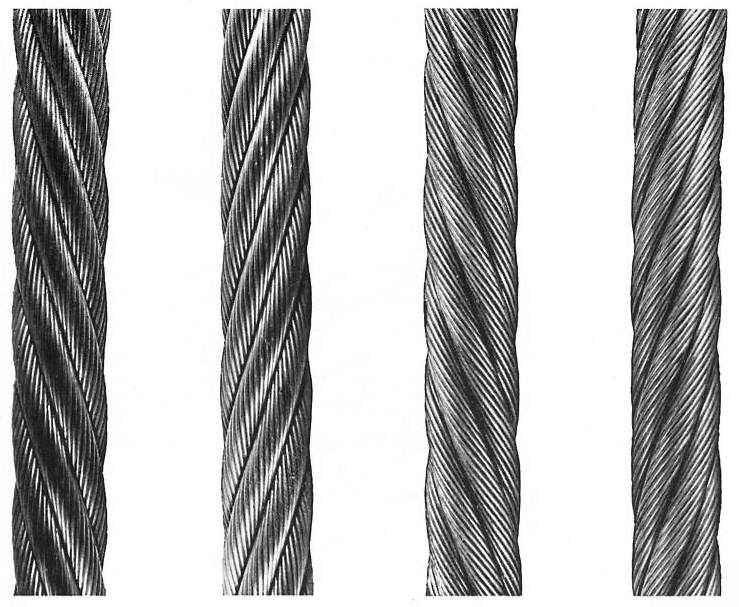
1. Identifying “Crowning” and External Wire Breaks
The most visible sign of fatigue is the presence of broken wires on the crown (the outer surface) of the strands.
- What to look for: Small, needle-like breaks in the steel. If you see multiple breaks within a single “lay length,” it is a clear indicator that the rope has reached the end of its fatigue life.
- The Danger: As individual wires break, the remaining wires must carry more load, accelerating the failure of the entire rope.
2. Diameter Reduction and “Neck-Down”
Over time, the core of the wire rope can degrade or collapse, leading to a visible reduction in the rope’s diameter.
- How to measure: Use a calibrated caliper to check the diameter in several spots. A significant drop in diameter often suggests internal wear or a lack of lubrication.
- Check the Sheaves: Ensure the rope is sitting properly in the sheave grooves. A rope that has “necked down” will lose its grip, leading to slippage and erratic leveling.
3. Pitting and Corrosion
In humid environments or buildings with poor climate control, corrosion is a silent killer.
- The “Red Dust” Warning: If you notice a fine, reddish-brown powder (often called “rouge”) on the rope, it is a sign of internal fretting and oxidation. This dust acts as an abrasive, grinding down the internal wires from the inside out.
- The Fix: Ensure your service and repair schedule includes proper lubrication to seal out moisture and reduce internal friction.
4. Rouging and Heat Damage
Excessive heat or lack of lubrication can cause the steel to lose its tempering.
- Discoloration: Look for blue, purple, or dark spots on the rope surface. This typically indicates high-friction areas or issues with the hydraulic power units or drive motors causing the system to run hot.
5. Abrasive Wear and Flat Spots
While some surface wear is normal, excessive flattening of the outer wires (abrasion) reduces the cross-sectional area of the steel.
- The 10% Rule: If the outer wires have worn down by more than 10% of their original diameter, the structural integrity of the rope is compromised.
Maintain Safety with Premium Parts
Don’t wait for a safety violation or an emergency shutdown to address your cabling. Whether you are performing a modernization or a standard repair, using high-performance wire rope is the best way to ensure passenger safety.
Need a replacement fast? Contact CED Elevator & Electrical today or visit one of our hubs in South Windsor, Long Beach, Chicago, Columbia, or Arlington. We stock a full range of wire rope and traveling cables to keep your projects on track.