
In the world of vertical transportation, complexity often hides in plain sight. While the hoist motor and controller get most of the attention, statistics show that nearly 70% of all elevator service calls are related to a single system: the doors. Because elevator doors must open and close at every single stop, they endure more mechanical stress than any other component in the building.
At CED Elevator & Electrical, we specialize in providing the high-performance parts and technical expertise required to keep these critical systems moving. Understanding why doors fail is the first step toward reducing building downtime and improving tenant satisfaction.
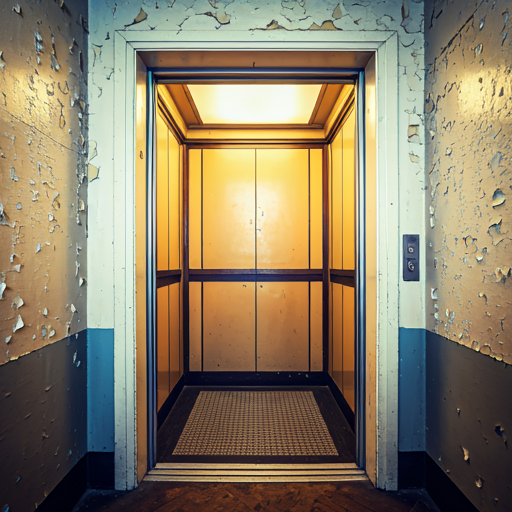
The Anatomy of Door Failure
Elevator doors are a sophisticated combination of mechanical linkages and electrical sensors. When a car stops and the doors fail to open or close properly, the entire elevator is taken out of service for safety. The most common culprits include:
- Obstructed Tracks: Debris as small as a pebble or a coin can lodge in the sill tracks, preventing the door from completing its travel.
- Worn Rollers and Hangers: Over time, the rollers that support the weight of the door panels develop flat spots or lose lubrication, leading to “jerky” movement or sticking.
- Misaligned Interlocks: The interlock is a safety mechanism that ensures the doors are locked before the elevator can move. Minor building settling can knock these out of alignment, triggering a system-wide shutdown.
- Photo Eye and Light Curtain Malfunctions: If the sensors that detect passengers in the doorway become dirty or misaligned, the doors may stay open indefinitely as a safety precaution.
Proper elevator modernization often starts with a focus on these high-wear components to ensure the system remains reliable under heavy traffic loads.
How to Fix and Prevent Door-Related Downtime
Reducing downtime is not just about reactive repairs; it is about a proactive “critical spares” strategy. By having the right parts on hand, building managers can turn a multi-day shutdown into a one-hour fix.
Upgrade to High-Performance Door Operators Older door operators use complex linkages that are prone to wear. Modernizing with a solid-state door operator allows for smoother, quieter operation and provides digital diagnostics that can predict a failure before it happens.
Invest in Quality Rollers and Gibs Not all replacement parts are created equal. Using high-durometer rollers and precision-engineered door gibs reduces friction and extends the life of the entire door system. As a leading elevator parts distributor, we ensure that the components we provide meet or exceed original equipment manufacturer standards.
Implement a Cleanliness Protocol One of the simplest ways to fix door issues is to keep the sills clean. Regularly vacuuming the tracks prevents debris from taxing the motor and helps sensors maintain a clear line of sight.
The ROI of Reliable Doors
When an elevator is down, it affects the efficiency and reputation of the entire facility. By focusing on the #1 cause of failure, you can significantly reduce your annual maintenance spend and improve the lifecycle of your equipment.
Whether you are looking for a specific replacement interlock or planning a full system upgrade, CED Elevator & Electrical has the inventory and technical knowledge to support your project.